


Advantages of Anti-Bird Netting
Birds can be a real nuisance. They make noise, leave droppings, and damage property. I have seen many places where birds cause problems. That’s why I want to talk about anti-bird nets. These nets are a simple and effective way to keep birds away. They protect your home, balcony, garden, or industrial site. In this post, I will explain the advantages of anti-bird nets. I will also share some alternatives and tips for choosing the right netting. If you want to keep birds out, this post is for you.
What Are the Anti-Bird Nets Benefits?
Anti-bird nets are made of strong, durable material. They create a barrier that birds cannot pass through. This stops them from landing or nesting where you don’t want them. Here are some key benefits:
Protect your property: Birds can damage roofs, windows, and plants. Nets stop them from causing harm.
Keep areas clean: Bird droppings are messy and unhealthy. Nets reduce droppings in your space.
Prevent health risks: Birds carry diseases. Nets help lower the risk of spreading germs.
Save money: Repairing bird damage can be costly. Nets are a one-time investment that saves money long-term.
Easy to install: Nets can be fitted on balconies, gardens, warehouses, and more.
Long-lasting: Made from weather-resistant materials, they last for years.
Eco-friendly: Nets do not harm birds. They only block access.
Using anti-bird nets is a smart choice. They offer peace of mind and protect your space effectively.

How Anti-Bird Nets Work and Where to Use Them
Anti-bird nets work by creating a physical barrier. Birds cannot fly through or perch on the net. This keeps them away from your property. The nets come in different sizes and strengths. You can choose the right one based on your needs.
Common places to use anti-bird nets include:
Balconies and terraces: Stop birds from nesting or sitting on railings.
Gardens and orchards: Protect fruits and plants from bird damage.
Warehouses and factories: Prevent birds from entering and contaminating goods.
Roofs and ledges: Keep birds from building nests or roosting.
Parking areas: Avoid bird droppings on vehicles.
Installation is usually quick and simple. You can hire professionals or do it yourself if you have the right tools. The nets are flexible and can fit any shape or size.
If you want to find reliable options, search for birds net near me. This will help you locate trusted suppliers and installers nearby.

What Can I Use Instead of Bird Netting?
Sometimes, you might want alternatives to bird netting. Here are some options:
Bird spikes: These are strips with spikes that stop birds from landing. They work well on ledges and roofs but don’t cover large areas.
Ultrasonic bird repellents: Devices that emit sounds to scare birds away. They can be effective but may not work for all bird types.
Visual deterrents: Items like reflective tape, fake owls, or scarecrows. These can help but birds may get used to them.
Bird gel: Sticky substances applied to surfaces to make them uncomfortable for birds. They need regular reapplication.
Wire systems: Thin wires stretched over areas to block birds. They are less visible but can be tricky to install.
Each alternative has pros and cons. Anti-bird nets remain the most reliable and versatile solution for many situations.

Tips for Choosing the Right Anti-Bird Netting
Choosing the right netting is important. Here are some tips to help you:
Material: Look for UV-resistant and weatherproof materials like polyethylene. They last longer.
Mesh size: Smaller mesh sizes block smaller birds. Choose based on the bird species in your area.
Color: Black or green nets blend well with surroundings and are less visible.
Strength: For industrial use, pick stronger nets that resist tearing.
Installation: Consider professional installation for large or complex areas.
Maintenance: Check nets regularly for damage and clean if needed.
By following these tips, you get the best protection and value from your anti-bird nets.
Why Anti-Bird Nets Are a Smart Investment
Investing in anti-bird nets pays off. You avoid costly repairs and cleaning. You protect your health and property. Plus, you keep your space neat and bird-free. Whether it’s your home balcony or a large industrial site, nets work well.
If you want to find the best options, look for local suppliers. For example, Shree Jagannath Safety Nets Enterprise offers quality nets and installation services in Odisha and West Bengal. They focus on customer satisfaction and safety.
Using anti-bird nets is a simple step that makes a big difference. It’s a smart, practical choice for anyone dealing with bird problems.
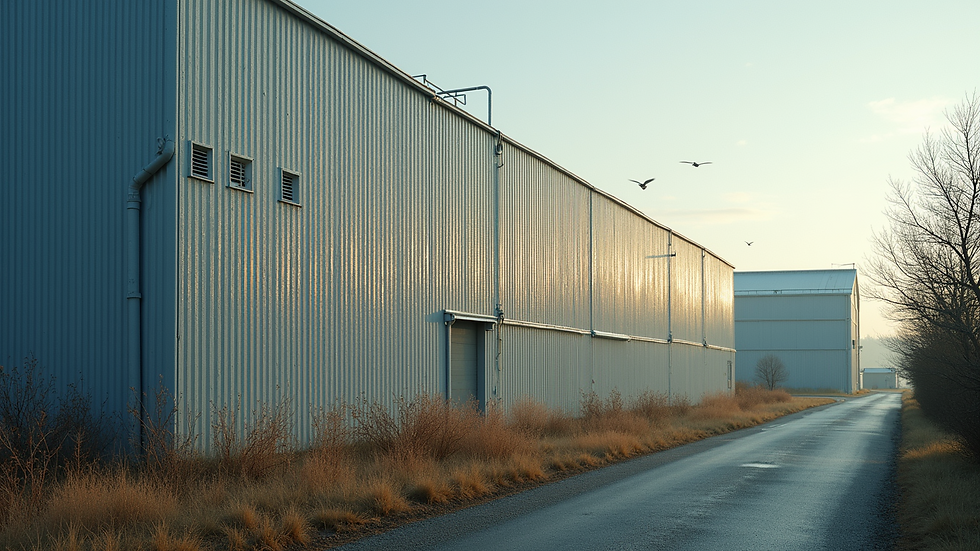
I hope this post helps you understand the advantages of anti-bird nets. They are effective, affordable, and easy to use. If you want to protect your property and keep birds away, anti-bird nets are the way to go. Check out local providers and get started today!


Comments